
Memberships and courses · 4 min read
What does a co-working space's website need?
The short answer
Prices and availability, published. Co-working is one of the few businesses where the customer expects to decide without talking to anyone — they want the day rate, the monthly desk price, what a meeting room costs and whether there is space, and a site that hides any of those loses to the one down the road that does not.
On this page
You are selling three different things
Co-working sites blur these, and the blurring is why they convert badly. Each has a different customer with a different urgency.
A day pass. Somebody in town for the afternoon, or trying you out. Decides in minutes, wants a price and a "can I just turn up".
A desk. Hot desk or fixed, monthly. A considered purchase — they will visit, compare two or three, and care about the community as much as the chair.
A meeting room. Often bought by people who are not members at all, sometimes for a single afternoon. Pure availability-and-price, and the most likely to be lost to a slow reply.
A single page listing "our spaces" serves none of them well. Three clear products with three prices does.
Publish the prices. All of them.
"Enquire for pricing" fails harder in co-working than in almost any sector, and the reason is structural: your customer expects to buy without a conversation. They are the kind of person who books a flight and a gym at midnight. Asking them to email you for a day rate reads as either expensive or disorganised, and they close the tab.
Publish the day pass, the hot desk monthly, the fixed desk monthly, the private office range, and the meeting room hourly and daily. If some of it varies, publish "from" prices.
What is included matters as much as the number: hours of access, meeting room credits, printing, coffee, post, guests, 24-hour entry. Two spaces at the same headline price can be very different products, and the one that explains itself wins — see should I put prices on my website.
Availability is the thing nobody publishes
The second question after price is "have you got space", and almost every co-working site makes you ask.
Even a manually maintained, dated line helps enormously: "Fixed desks: 2 available as of Monday. Hot desks: available. Private offices: waitlist." That is thirty seconds of work a week and it does two things — it removes a round of emails, and scarcity that is visible converts.
For meeting rooms it matters more, because the customer often has a specific date and no flexibility. If they cannot see whether Thursday afternoon is free, they will ask the space that shows them.
What members need after they join
This is the half that gets built last and drives the day-to-day experience.
Members want: to book a meeting room without messaging anyone, to see how many room credits they have left, to know what is happening this week, to get the wifi password without asking again, and to reach the person who runs the place.
Most spaces run all of that through a WhatsApp group and a whiteboard. It works at twenty members and stops working at eighty — not dramatically, just as a rising tide of small interruptions that fall on whoever is on the desk.
The community question, honestly
Every co-working space says it has a community. Most have a room with people in it, which is not the same thing, and members can tell the difference within a fortnight.
If you genuinely have one, show it specifically — the events, the members, what people actually do here. If you do not, do not claim it; sell the desk, the location and the coffee, which are real. A space that oversells community and delivers silence churns faster than one that never promised it.
If you do want to build one, the honest test and the way to do it are in should I build a community for my business.
What this looks like in Helm
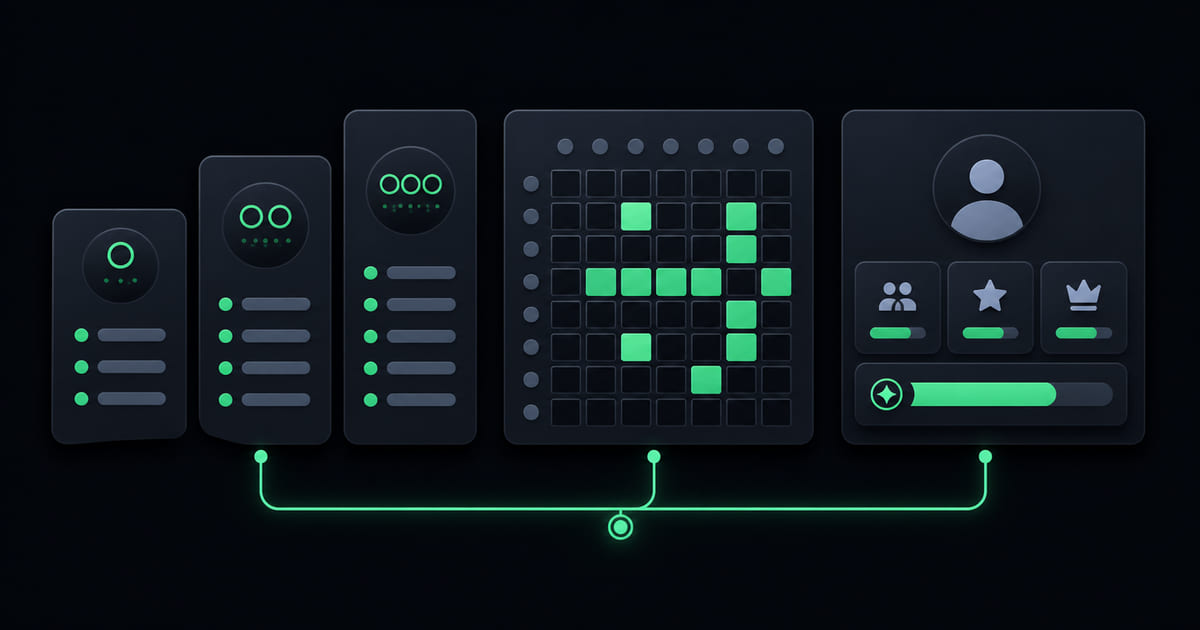
Co-working is one of the clearest fits, because it needs both halves of the platform on one login.
Bookings handles the meeting rooms — a request inbox and the bookable spaces behind it, each room its own resource so parallel availability works properly. On your own domain at a flat cost, rather than a room-booking platform taking a cut of every hour.
Offerings define the memberships — day pass, hot desk, fixed desk, private office — and what holding one entitles a member to. Entitlements can expire, which is what a monthly membership is, and they cascade, so a fixed-desk member gets the community access without you maintaining a second list.
Customers is the member record underneath: who they are, what they hold, what they have spent, when they were last in. That last field is the one that predicts churn, and it is invisible in a WhatsApp group.
Community gives members a feed for events and introductions, on your own site rather than a platform you do not control.
And the prices, availability line and what-is-included lists are fields you edit — which is what makes publishing them survivable, because co-working pricing changes and a space that has to email somebody to update a day rate will quietly revert to "enquire".
The short version
Sell three products, price all of them, and say what each includes. Publish availability even if you update it by hand once a week. Build the member side before you need it, because it degrades slowly and you will not notice until it is the whole job. And only claim a community if you have one.