
Bring your own site · 3 min read
Can I keep my existing website and still get a dashboard to edit it?
The short answer
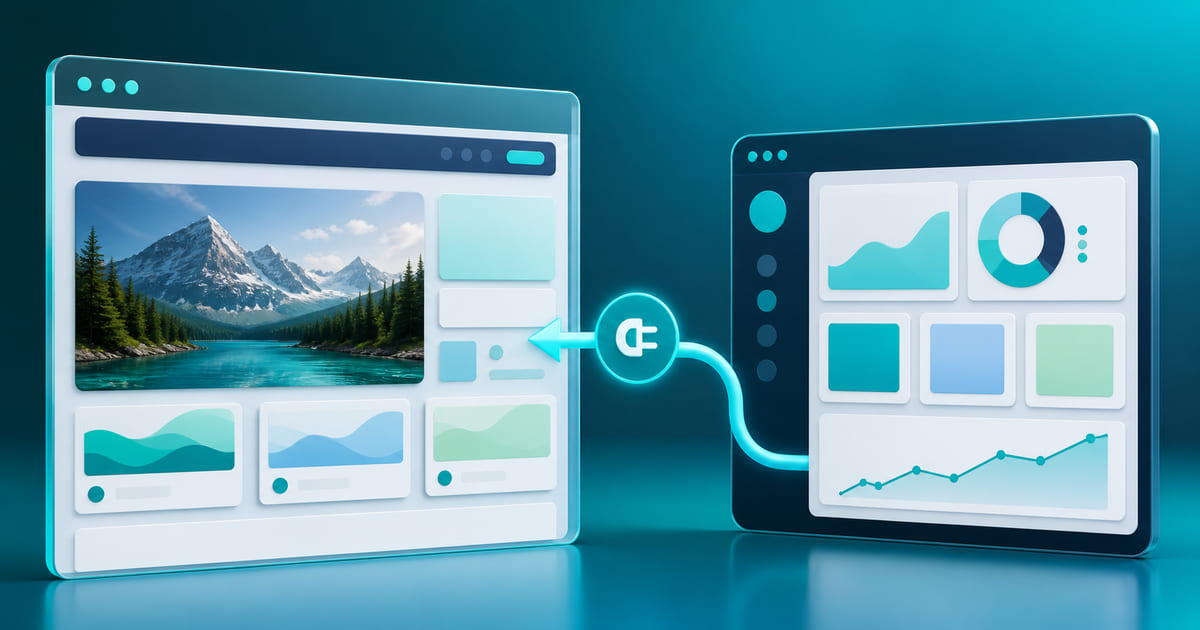
Yes. If you already have a website a developer built for you, you can upload it as-is and get a branded dashboard attached to it — without rebuilding anything. Your site keeps its exact design and code; the dashboard sits alongside it so you can edit text, images, menus and prices yourself, plus add bookings, loyalty or customer accounts later.
On this page
The problem nobody warns you about
A developer builds you a good-looking site. It launches. Then a price changes, or a dish comes off the menu, or you want to post the new opening hours — and you cannot do any of it. You email the developer. You wait. Sometimes you pay.
This is not a bad developer. It is what a static website is: files on a server with the words baked in. There is nothing to log into because nothing was built to log into.
What "upload it and attach a dashboard" actually means
Your existing site keeps its design, its code and its URL. What gets added is a content layer on top: the editable parts of the page get connected to a dashboard, and from then on you change them yourself.
Concretely, after attaching you can:
- edit any text, image, menu item or price without touching code
- publish changes yourself, immediately
- add modules the original build did not include — bookings, loyalty, customer accounts, an enquiry inbox, a shop
- keep working with the same developer, who now spends time on real work instead of copy edits
What it does not mean
It is not a rebuild, and it is not a migration to a template. Your site does not start looking like everyone else's, because it is still your site.
A shop can be added, but it is a build rather than a switch. Helm runs the catalogue, the per-variant stock, the delivery regions and the orders; the product and checkout pages still have to be wired into your existing design, which is a piece of work rather than a toggle. And that shop takes no card payments online — payment is cash on delivery, or Whish, OMT or bank transfer with the reference confirmed by hand. If you need card checkout and tax by region, that is still a different tool.
Why this beats starting again
Rebuilding throws away work you already paid for, and a rebuild is where the design usually gets worse — you swap something custom for whatever the new platform's templates allow.
Keeping the site and adding the layer costs less, changes nothing your customers can see, and fixes the actual complaint, which was never the design. It was that you could not change a price without emailing someone.
Who does this
This is what Helm is built for. You upload the site a developer made you, it keeps its design and its URLs, and a dashboard attaches alongside it so you edit the text, images, prices and menus yourself. If you would rather start fresh instead, the team builds a custom site in days or Helm AI generates one from a brief.
The code stays yours either way, and a domain you already own stays exactly where it is — we never become its registrar.
What to check before you do it
Ask whoever built the site for the source files, and confirm you own the domain. Both are yours by default in most arrangements, but "by default" is not "in writing" — check before you need them.