
Cheaper alternatives to Squarespace — what you give up at each step down
The short answer
Cheaper options exist at every level, and each step down removes something specific rather than simply costing less. The first thing to check is whether you are on the wrong Squarespace plan, because a lot of businesses pay for commerce features on a brochure site. After that, the honest question is not what costs less but what the saving costs you.
On this page
Check your own plan first
Before comparing anything, look at what you are actually paying for. A significant share of small businesses on Squarespace are on a commerce plan for a site that takes no orders, or a higher tier for one feature they could live without.
That is the cheapest saving available and it takes ten minutes. Nobody sells you that advice, which is precisely why it is worth leading with.
What each step down removes
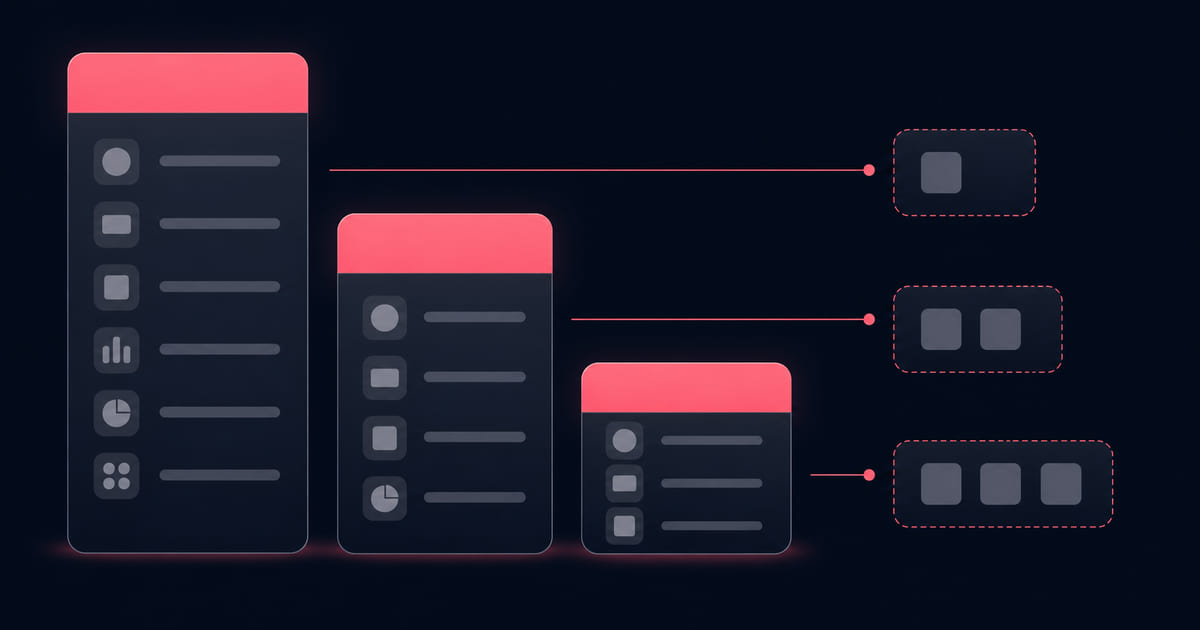
Cheaper is never just cheaper. Each tier removes something, and the point is knowing which loss you can absorb.
Cheaper builders. You keep a working site and lose design quality. Squarespace's real product is taste, and paying less generally means a template that flatters you less. If your business sells on how it looks — a restaurant, a studio, anything visual — this is a false economy.
Free tiers. You lose your own domain, gain their branding, and often lose the contact form. That last one makes the site pointless, since an enquiry you never receive is the entire return. Covered in free Wix alternatives.
WordPress with cheap hosting. The software is free and the hosting is a few dollars, so on paper this is the biggest saving on the page. What you take on is maintenance — updates, plugin conflicts, security, and the site that breaks while nobody is watching. That is not free, it is unbilled, which is a different thing and usually more expensive.
A one-page static site. Genuinely cheap and genuinely fast. You lose the ability to change it yourself, which for most businesses means it is wrong within a season.
The saving that is not a saving
The most expensive false economy in this whole category is choosing something you cannot update.
A site that is fifty dollars a year cheaper and needs somebody else to change a price will cost you more than the difference the first time your opening hours are wrong over a holiday, or a customer arrives expecting last year's price. Those are not hypothetical costs — they are the ordinary failure mode of a cheap site, and they do not appear on any comparison table.
So when you compare, compare on the annual cost of running it, not the subscription. That is the subscription plus what changes cost you plus what being wrong costs you. See how much does a website cost to run per year.
Where Helm sits, honestly
Helm is not the cheapest thing on this page and it would be dishonest to pretend otherwise. There are free tiers and there is five-dollar hosting, and if the budget is genuinely zero those are the right answer today.
What it removes is the second and third parts of that annual cost. Content changes — text, images, prices, menus, hours, the SEO title on each page — are things you do yourself in a minute, so they never appear on a bill and the site is never wrong for a season because a small edit was not worth raising. And the maintenance, certificates, backups and updates are not tasks you own.
The honest comparison: against a free tier, Helm costs more. Against WordPress on cheap hosting, the subscription is higher and the total is usually lower, because the unbilled hours were always the larger number. Against a cheaper builder, you are paying for a custom design and the code being yours rather than for a better template.
If the only question is which line item is smallest, the answer is not us. If the question is what the year costs, it is worth doing the arithmetic properly.
The short version
Check your current plan before you shop — a lot of people are paying for commerce on a brochure site. Then accept that every step down removes something specific and decide which loss you can carry. Do not choose something you cannot edit yourself to save a small annual amount, because the wrong price on your site over one busy weekend costs more than the saving did all year.